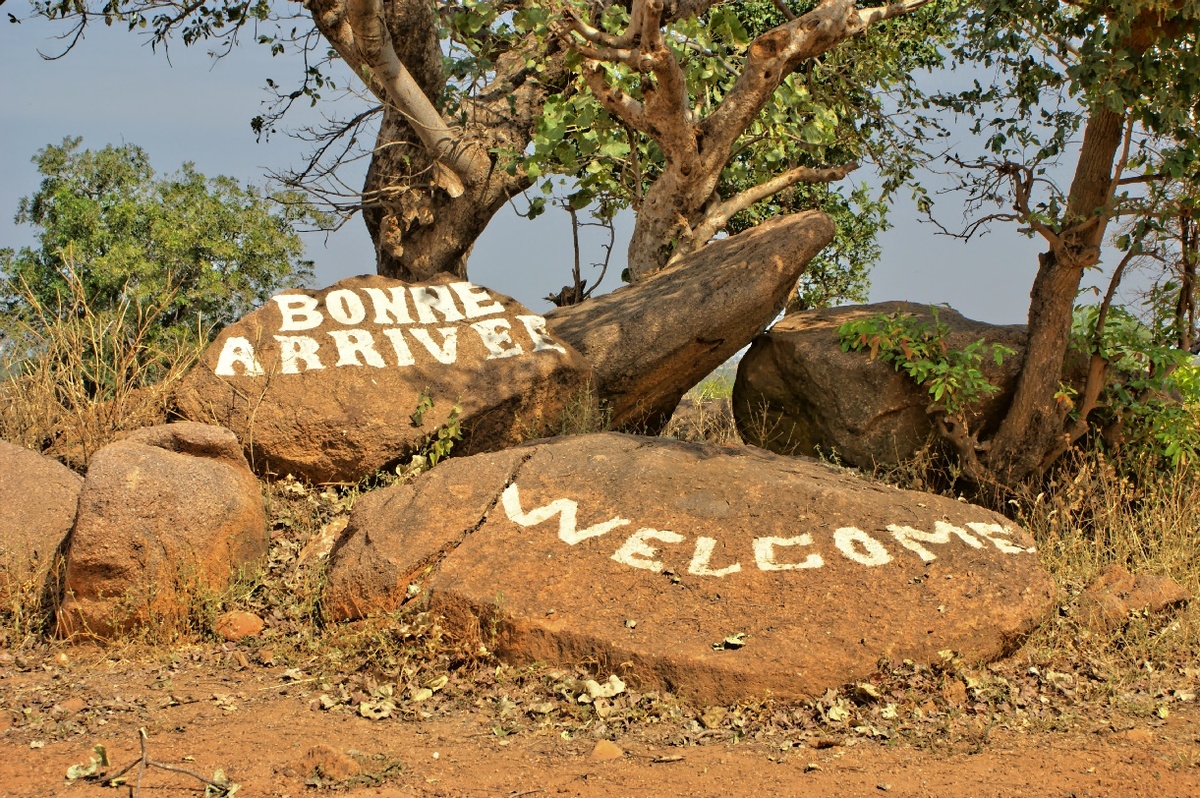
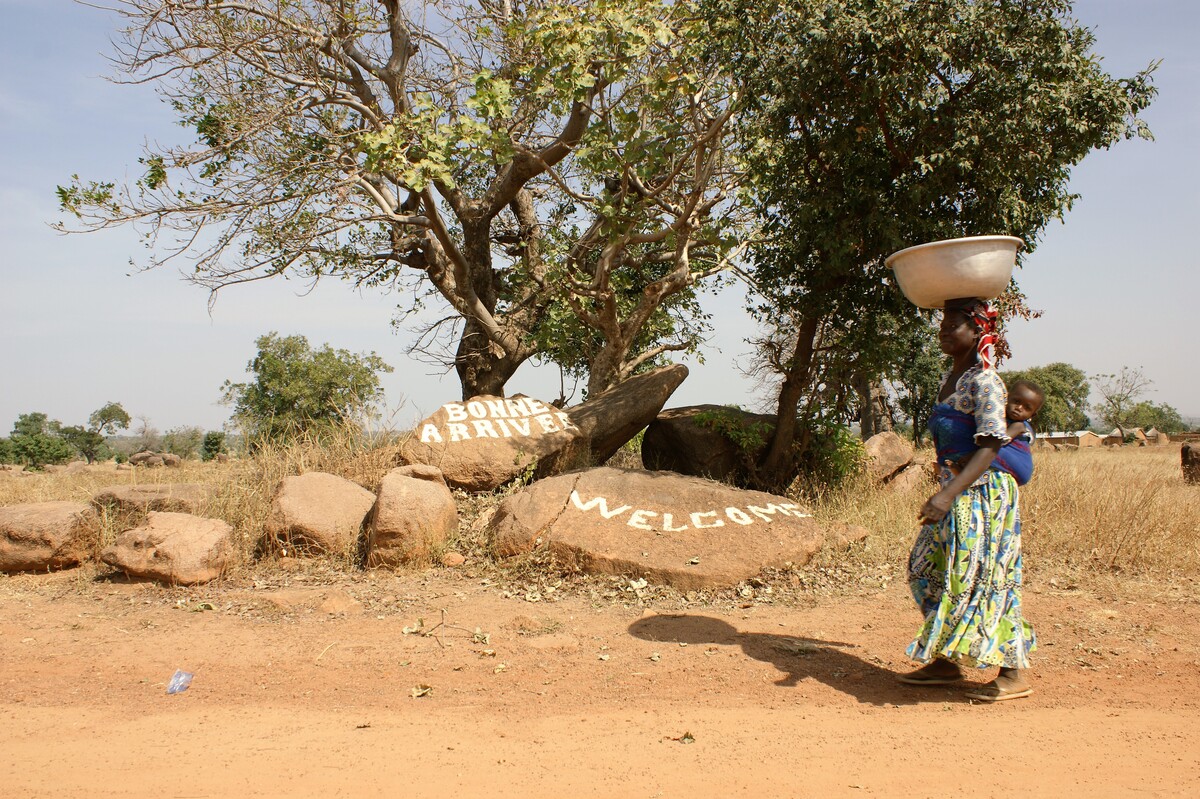
Experience the fascinating intersection of culture and nature at Paga Crocodile Pond, where the locals hold crocodiles in high esteem as sacred protectors. Join us for a memorable journey in the heart of Ghana, where you can explore the rich traditions of the Paga community. Our aim is to showcase this vibrant cultural heritage and invite visitors to engage with the intriguing world of crocodiles and the legends they represent. Plan your visit to witness the unique bond between people and wildlife in an extraordinary setting.
Upper East Region · Kassena Nankana West · On the Burkina Faso border
Paga
A border town at the top of Ghana with two sacred crocodile ponds, a slave camp three
kilometres away, and a frontier market where two countries trade in two currencies. Here is
the honest position: most visitors come for a photograph with a crocodile and leave
within the hour. Paga is worth a day, and the most important thing in it is not the
crocodiles.
What Paga is, plainly
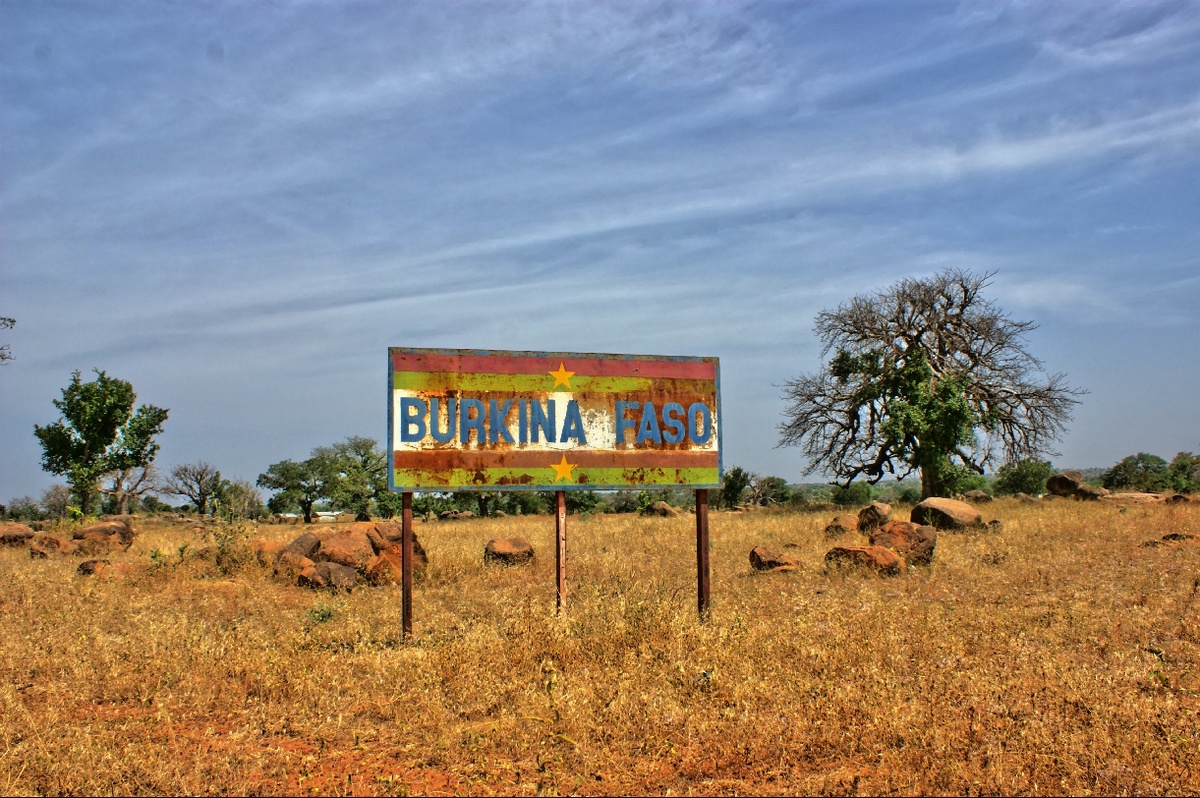
Paga sits directly on the frontier with Burkina Faso, in the Kassena Nankana West District
of the Upper East. The border post is in the town. It is roughly four hours north of Tamale
and a short run north of Bolgatanga, which is where most people actually sleep.
It is a small, dusty, working town in one of the driest and poorest parts of Ghana. It is
also, per square kilometre, one of the most interesting places in the country — and the
reason for that has very little to do with the reptiles it is famous for.
What is actually here
Two sacred crocodile ponds. The Pikworo slave camp, three kilometres west at Paga
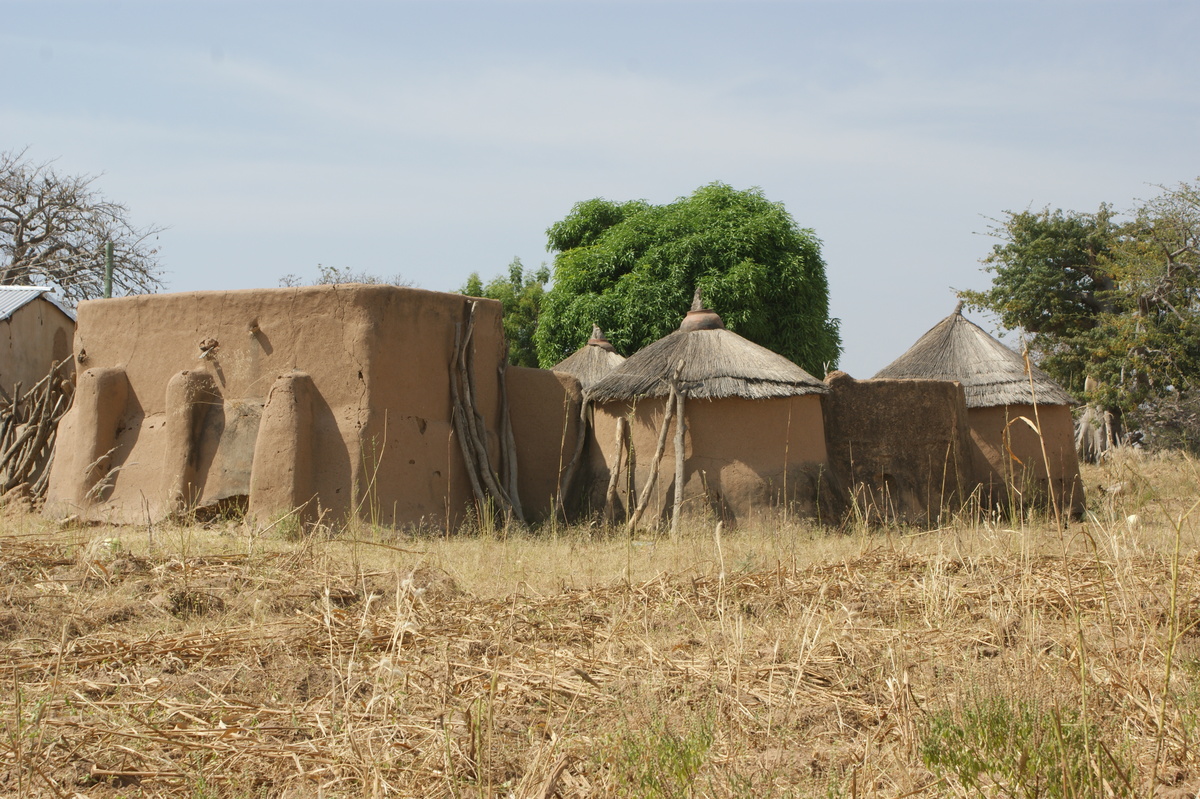
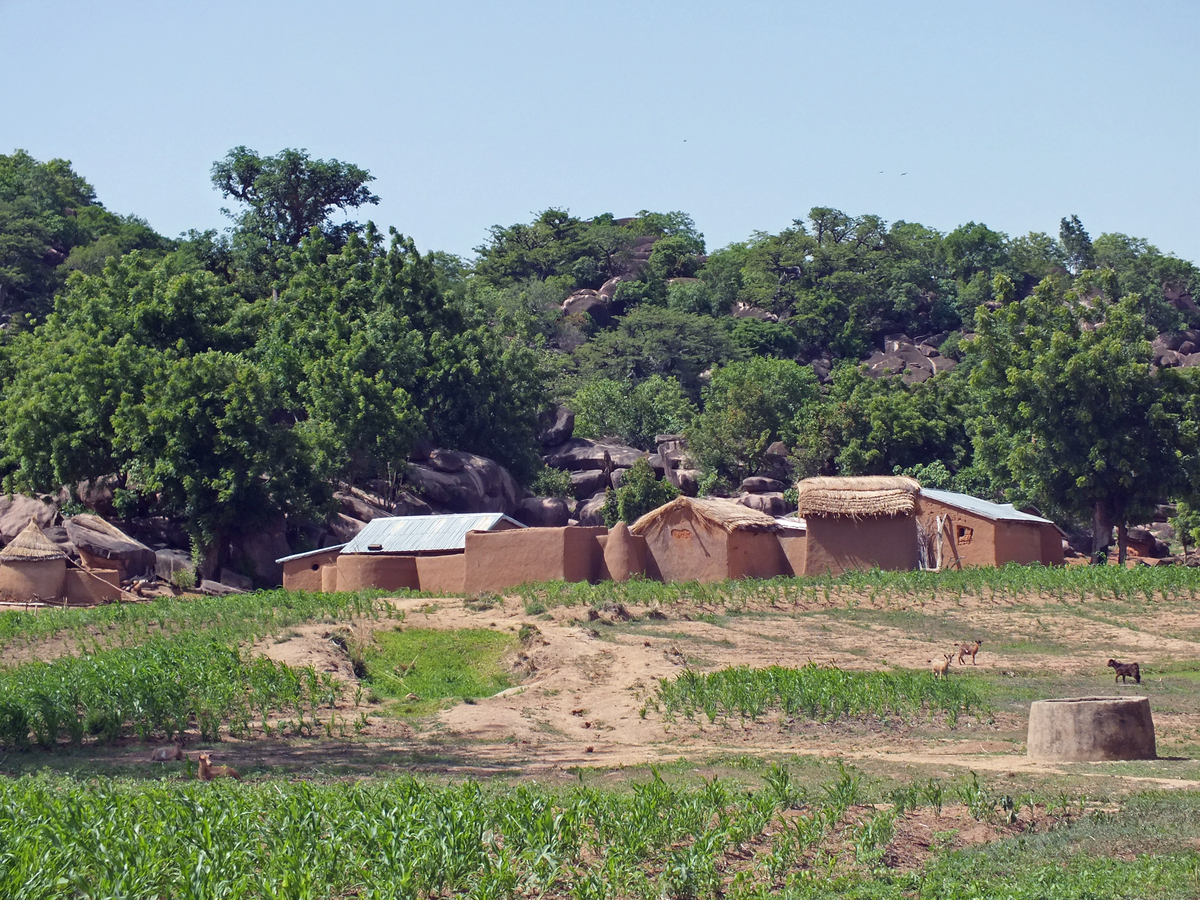
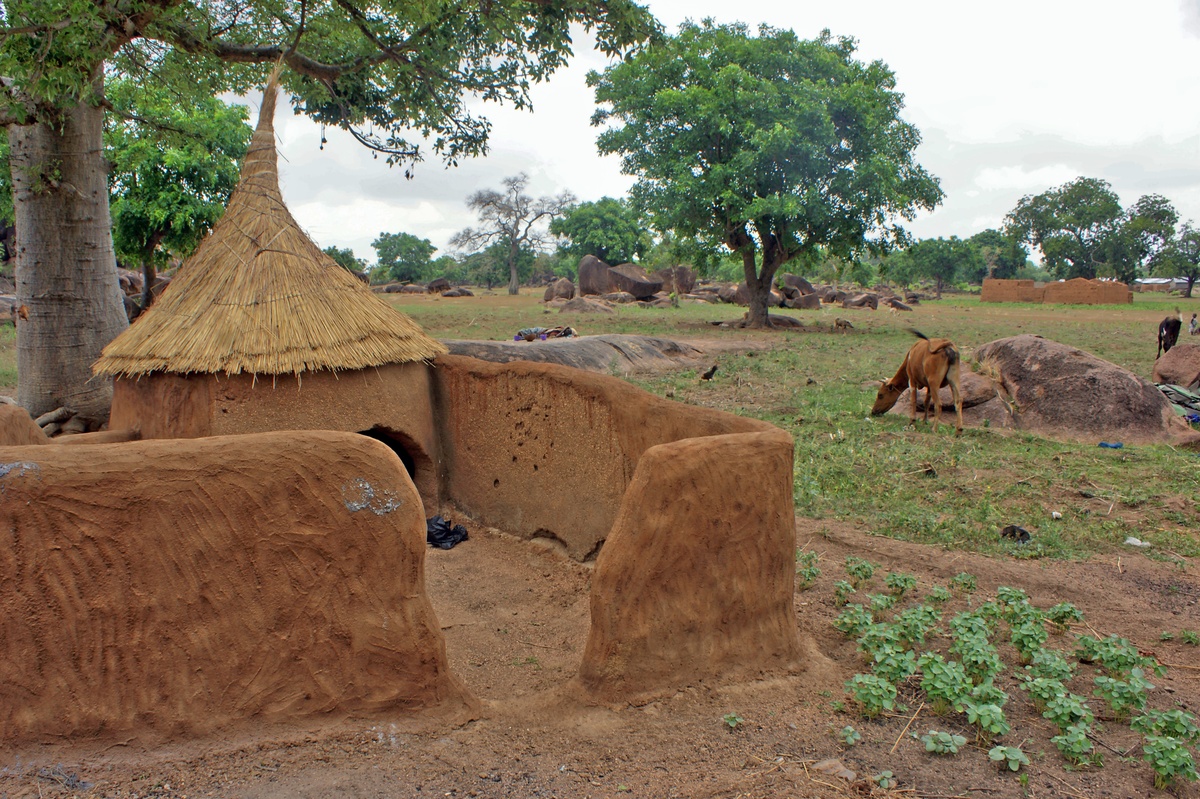
Nania. A daily border market. And the Kassena compound architecture of the surrounding
villages — painted earth walls in geometric relief, one of the most distinctive building
traditions in West Africa, and almost entirely unvisited.
What is not here
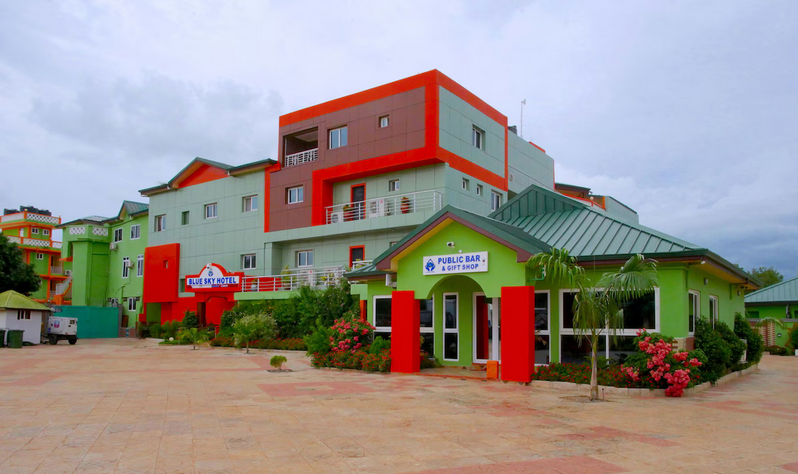
Hotels of any scale, restaurants worth planning around, ATMs you should rely on, or
much in the way of visitor infrastructure. Base yourself in Bolgatanga or Navrongo and
come to Paga for the day. Bring cash from Bolga.
Why people undersell it
Because it is far. Paga is at the very top of the country and most itineraries sold to
visitors stop at Mole or Tamale. The result is that a place with two nationally
significant heritage sites gets treated as a half-hour photo stop on the way to a
border crossing.
Who this site is by
Ghana-Net.com has been publishing on Ghana since December 2000. The photography on this
site is our own, taken on the ground. We do not reprint tourism board copy and we say
when we are not sure of something.
The crocodile ponds
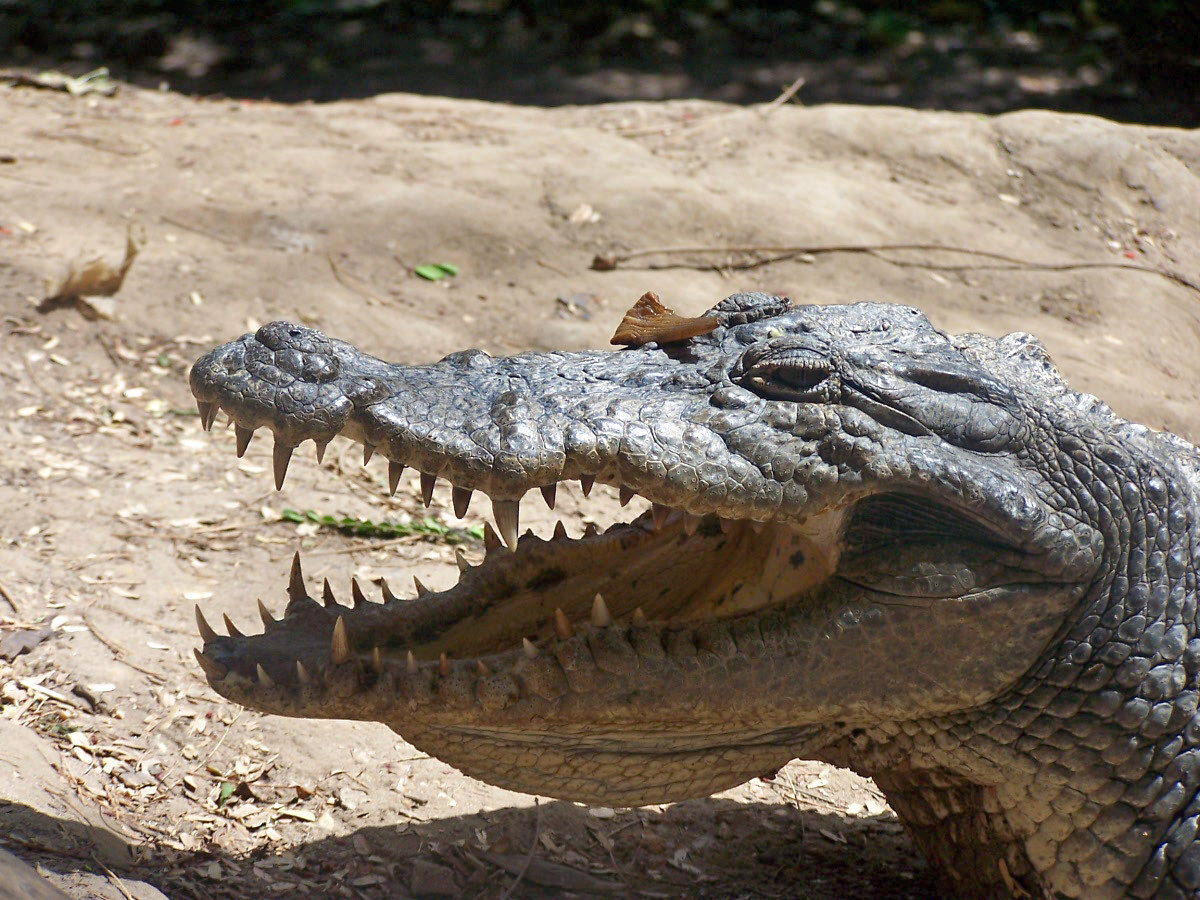
Two ponds — the Chief's Pond and Zenga Pond — hold West
African crocodiles, Crocodylus suchus, which the Kassena hold to carry the souls of
people from the community. Harming one is understood as harming your own lineage. When a
crocodile dies it receives funeral rites.
That taboo has kept a viable population alive in a district where the same species is hunted
out elsewhere. It works, and it predates tourism by generations.
What happens on a visit: a guide calls a crocodile out of the water using a
live chicken, holds its attention, and invites you to sit behind it and hold the tail for a
photograph. Then the chicken is fed to it, in front of you. Twenty minutes to half an hour.
The guides are employed through the chief and the traditional authority.
Two things to be honest about before you go. The chicken is killed and
eaten at close range — decide in advance, particularly if you have children with you. And
these are wild animals habituated by feeding, not tame ones. There has never been a
recorded death at Paga, but crocodiles attacked a film crew here in 2006 and a 2022 video
caught a near-attack on a cameraman. Do exactly what the guide says, never stand between a
crocodile and the water, and do not swim in the ponds.
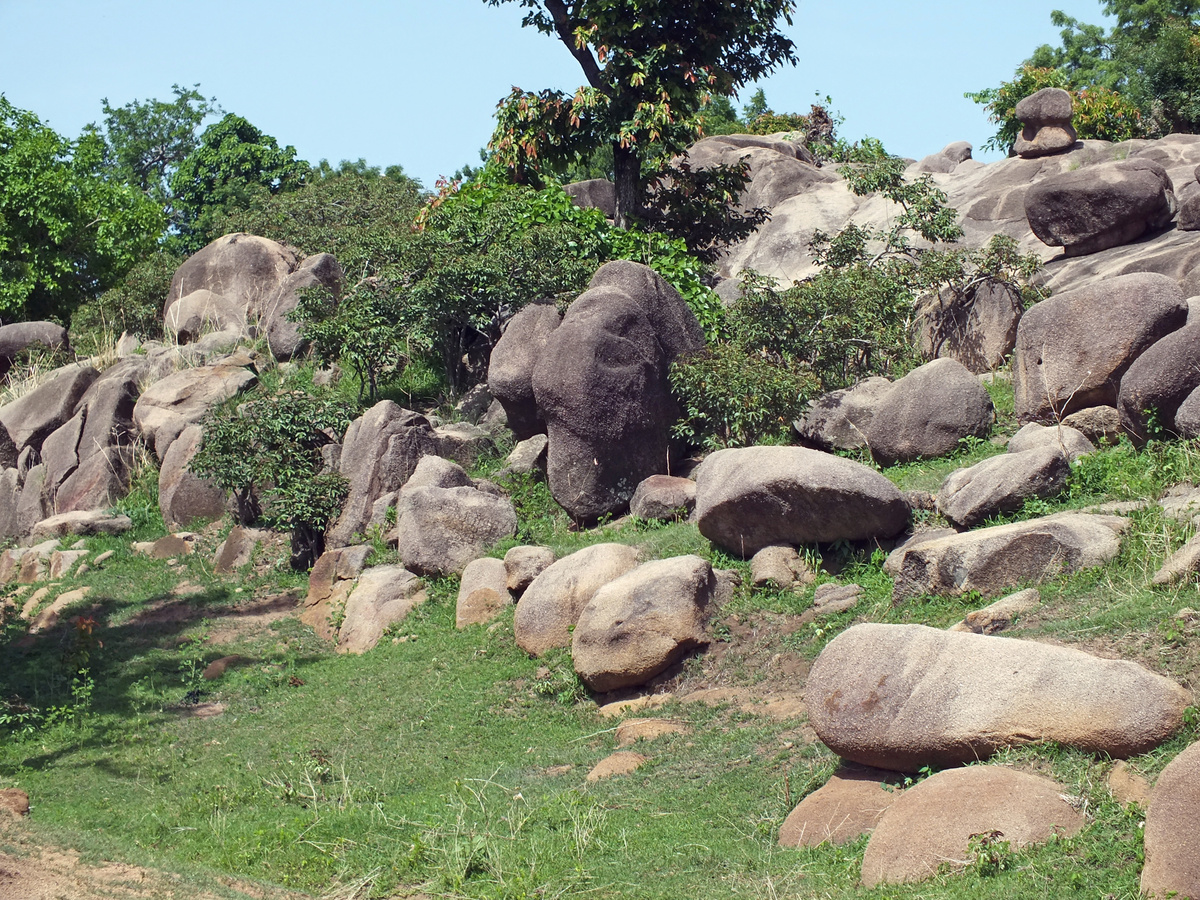
At Paga Nania there is a field of granite boulders with bowls hollowed into them. The bowls
were cut by people who were held here, and they were the plates they ate from. The size of
each one tells you how many ate from it.
Pikworo was a holding and auction site. Captives taken in raids across the north and from
what is now Burkina Faso were kept here — accounts give an average of around two hundred
people at a time — before being marched roughly 150 kilometres south to the market
at Salaga, sold again, and moved on to the coast and the ships.
There is no building, no wall, no dungeon. Under a guide's instruction a rock field becomes
legible: the water source, the punishment rock, the lookout, the graves. Ghana's own tourism
officials have described Pikworo as the root of the story that ends at Cape Coast and
Elmina, and have argued PANAFEST should begin here.
It receives a small fraction of the visitors who come to the ponds, three kilometres away,
on the same morning.
This is the sequence we would use, and the reason to give the town a day rather than an
hour.
Early morning The frontier
The border market
Start here while it is cool and busy. Ghanaian and Burkinabè trade meeting in two
currencies and several languages. A working market, not a tourist one, and the most
honest hour you will spend in Paga.
More on the market.
Mid morning · 1 hour Paga Nania · 3 km west
Pikworo Slave Camp
Before the heat. Take the guide — the site does not explain itself. Allow time to
sit with it afterwards; most people want to.
Our Pikworo page.
Late morning · 30 min In town
The crocodile pond
Crocodiles are ectotherms — they bask when it suits their temperature, and mid-day
heat pushes them into the water. Late morning is a good compromise. Guides can
usually call one out regardless.
Afternoon Surrounding villages
Kassena compounds and savannah walk
The painted earth architecture of the villages around Paga is the thing almost
nobody photographs and the thing most worth photographing. Walk it with someone
local, ask before entering a compound, and pay for the guiding.
Savannah walks and village tours.
Late afternoon Navrongo · on the way back
Navrongo Cathedral
The mud cathedral — a Catholic church in traditional northern earth construction,
its interior decorated by local women in the Kassena idiom. Genuinely one of the
remarkable buildings in West Africa, on the road back to Bolga.
Navrongo Cathedral.
Add a day Near Bolgatanga
Tongo Hills & Tengzug
Stacked granite and one of the most important active shrines in northern Ghana, in
Talensi country. Living religious practice rather than a monument — go with a guide
and expect conditions on entry.
Tongo Hills and Tengzug.
Getting to Paga
The honest advice: fly the long leg. Driving the length of Ghana to reach the border costs
you two days and puts you on the country's most dangerous roads for no gain.
Accra to Tamale by air
Scheduled domestic flights run Accra–Tamale and take about an hour, against a full day
of driving. From Tamale it is roughly four hours north by road. This is the sensible
route and it buys back a day of your trip.
Tamale or Bolgatanga to Paga
Bolgatanga is the practical base — a short run south of Paga with regular trotros and
shared taxis through the day, banks, and somewhere to sleep. From Paga town you will
want a taxi or motorbike for the few kilometres west to Pikworo. Arrange the return at
the same time you arrange the outward.
By road from the south
Possible, long, and not advisable as a single push. If you are driving, break it and
travel only in daylight. Our
public transport page covers how
coaches, trotros and hire actually work in Ghana.
Crossing into Burkina Faso
The frontier is in the town and crossing is physically straightforward. Whether you
should is an entirely separate question of current security conditions and entry
requirements, and not one a travel page should answer for you. Check your own
government's current advice before planning anything continuing north.
Where Paga fits in the northern circuit
Nobody comes this far for Paga alone, and nor should they. The north rewards a route rather
than a destination.
Mole National Park — Ghana's largest protected area and the elephants. The anchor of any northern trip.
Wechiau Hippo Sanctuary — hippos on the Black Volta, community-managed. Harder to reach than Mole, and we set out the difference honestly.
Kulmasa and Kaleo — the other sacred crocodile ponds, in the Upper West, with a fraction of Paga's visitors.
Salaga — 150 km south of Pikworo, the next link in the inland route.
Paga to Mole — how the two connect, and why the pairing works.
Practical notes
Draw cash in Bolgatanga. Every community site here — the ponds, Pikworo, the village guides — is cash only, and you should not count on an ATM in Paga.
Fees change and are set locally. We do not publish them as fixed figures. Expect separate rates for Ghanaians and non-Ghanaians, a camera charge, and a separate cost for the chicken at the pond.
Tip the guides directly. At every community-managed site in the north, the guide's income is substantially the tip, and it is the mechanism keeping these places protected and staffed.
The heat is the real difficulty. The Upper East in the middle of the day is severe and there is very little shade at either the ponds or Pikworo. Early and late, always.
Harmattan runs roughly November to March — dry, dusty, cooler nights, hazy light. It is the easier season for travel and the harder one for photography.
Sleep in Bolgatanga or Navrongo. Accommodation in Paga itself is minimal. Zuarungu, just outside Bolga, is around twenty minutes from the ponds.
Ask before photographing people, compounds and graves. This is not a formality here. Accept a no.
Questions people actually ask
Is it safe to touch the crocodiles?
With a guide, at the managed pond, following instructions — the record says yes, and there
has never been a recorded death at Paga. But these are wild animals habituated by feeding,
not tame ones, and there have been documented incidents including an attack on a film crew
in 2006 and a near-attack on a cameraman in 2022. Follow the guide exactly, approach from
behind, and never block the animal's route back to the water.
Can I swim in the ponds?
No. Do not swim in the ponds. The visitor arrangement depends entirely on a guide managing a
fed animal on a bank, and none of it extends to being in the water.
Do I have to buy a chicken?
In practice yes — the feeding is what brings the crocodile out of the water and holds its
attention. If you would rather not handle the animal, say so on arrival: you can watch,
listen and photograph without the contact. Pay the full fee and tip anyway.
How long do I need in Paga?
Half an hour if you only want the crocodile photograph. A full day if you want Paga —
market, Pikworo, the ponds, the villages, and Navrongo on the way back.
When is the best time to come?
Dry season, roughly November to March, is easier for roads and access. Early morning or late
afternoon on any day, because of the heat. The ponds are visitable year-round.
Can I cross to Burkina Faso from here?
The border post is in the town and the crossing is physically simple. Current security
conditions and entry requirements are a separate matter entirely — check your own
government's advice before planning it.